




Media organizations are undergoing a period of unprecedented change driven by changes in consumer behavior, expectations from digital and advances in AI. For media groups, the challenge is to ensure that core newsroom functions work seamlessly, editorial credibility that underpins the business is protected, and expectations of the consumers are met.
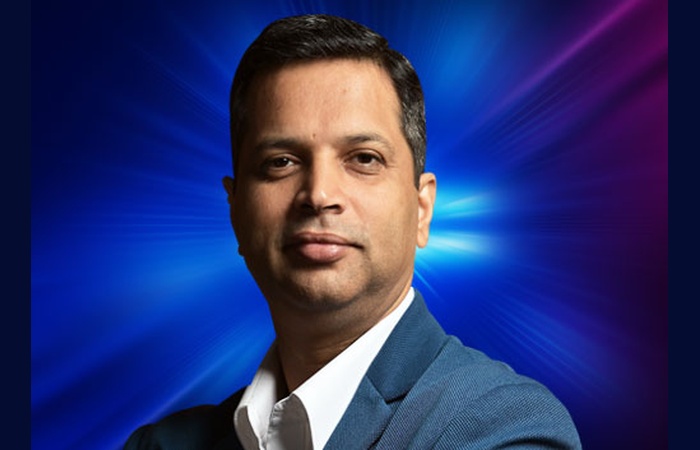
In conversation with CIONOW, Rajiv Mishra, CIO, HT Media, sheds light on how technology is shaping the future of media organizations and why audience trust should be the central point to digital transformation strategies.
What makes technology leadership in media uniquely challenging, particularly when editorial credibility, breaking news speed and commercial pressures collide?
Building trust, speed and commercial viability that collide every day is the new challenge for today’s media. We have to keep pace with technology while maintaining editorial credibility at the time of breaking news. We are accountable for developing commercial, sustainable and scalable business.
As the CIO of a media company, I am responsible for creating a technology ecosystem where the editorial team can move at the speed of news without compromising audience trust while keeping eye on business growth with innovation and monetization responsibly. Thus, cybersecurity, resilience, data governance, and architecture are essential for strategic business capabilities. In media, technology leadership is all about protecting trust while enabling speed and transformation.
Which technology and product capabilities determine whether a publisher builds lasting audience relationships rather than simply chasing traffic?
These days, the industry is moving from optimized traffic to building a relationship with the audience. First-party data and audience insight are just as essential as content personalization. As such, cyber security is now embedded in the entire digital ecosystem.
Today, it’s not about the number of visitors, it’s about the number of visitors that come back. These priorities can be gauged by a well-articulated set of KPIs coming from the board and the CEO’s office.
Media houses have decades of workflows and systems in place, but newsrooms are not built to put on hold for technology upgrades. What are the biggest legacy issues facing publishing, and how can organizations update while keeping day-to-day operations running?
I would say primarily these are three challenges – legacy content management systems, siloed content and the presumption that transformation can be a big bang migration. Workflow and habits changes are one of the most significant and challenging parts of transforming a newsroom.
Ours is a traditionally-run media organization, and there are processes that have existed for 40 to 45 years. I have got editors that have been here for 25 plus years and are used to doing things a certain way. So, replacing habits and employing modern operating models cannot be more vital.
What my 15 years working with media companies has taught me is that you can’t update a newsroom overnight. You need a step-by-step approach.
The organization’s legacy is not embedded only in the systems and workflows but also in behaviors. Transitioning slowly is required if the organization is to be modernized, particularly without disrupting operations.
Readers want personalization more and more, but publishers need advertising and paywall models to make money. How can media companies balance personalization and monetization, and preserve their audience’s trust?
Personalization, monetization, and trust need to co-exist. You can’t have personalization, monetization, and trust work independently with the audience that you are addressing.
For an organization like HT, which is spread across 80+ locations in the country and a handful of locations globally, understanding diverse taste preferences of audiences becomes a crucial aspect. Personalisation should enhance the reader’s experience. Monetisation should be sustainable. Trust underpins the entire media business.
As the power of AI and data expands, we have greater chances to learn more about our audiences through analytics and insights. We can understand their preferences more deeply, and use this data to inform content.
For instance, from 2020-23, as we went through a difficult phase with the print business and digital media flourished, we learned how much consumers value content personalization. A reader sitting in Gorakhpur might be very interested in political content.
As the AI capabilities of organization grow, what is the most challenging thing you are working on as a technology leader today? How do you believe AI will bring changes to the daily operations of media organizations?
The world will belong to those who are ready to reinvent themselves. We must reinvent the way content is written. At HT Media, we are creating a host of AI-enabled services and trying to get our editors to experience them and see how they make content more convenient for the audiences.
In five years’ time, what will set thriving businesses apart from surviving ones will not be who chooses technology. It will be based on how well organizations make use of technology, the quality of journalism, the excitement of the products they build, how well they get to know audiences and the strength of their commercial agility.
The opportunity is to harness technology not simply as an efficiency tool, but as a means of creating next-gen audience trust and products that bridge audience relations and content.
A big challenge is to constantly learn about audience desires, audience preferences and how to use technology to serve it.
What’s your message for IT leaders in media companies?
My message to technology leaders and business leaders would be that you should not treat technology as a transformation project. You should not treat AI as a destination, but you should be view it as a journey of reinvention.