




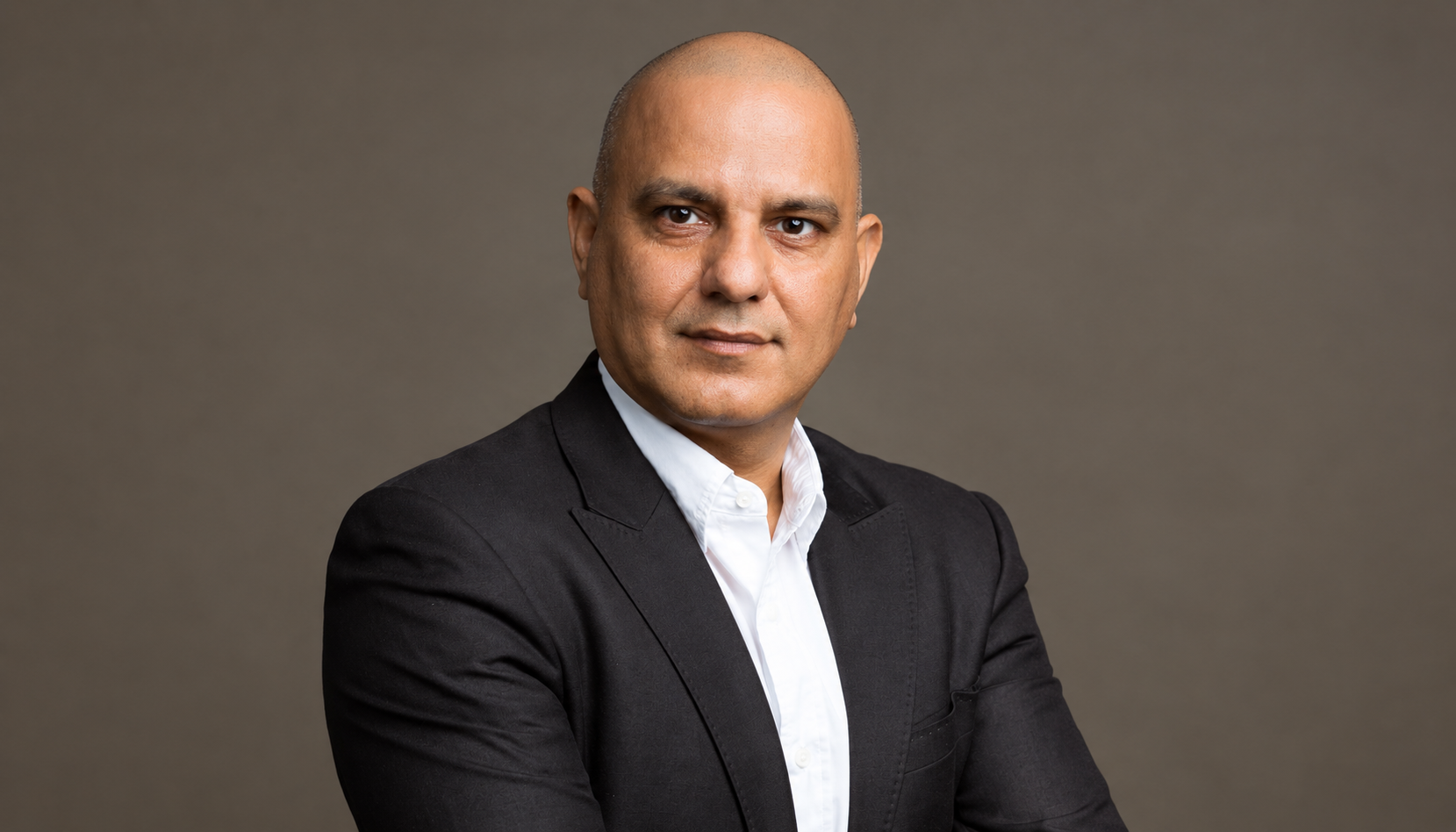
In senior care, technology is not about flashy gadgets or AI demos; it is about building invisible, resilient systems that keep residents safe even when people, networks or devices fail. Vipin Chawla, Director of Technology & CTO at Antara Senior Care (Max Group), brings a rare blend of experience to this challenge: years of building speed, scale and franchise consistency in quick service restaurants (QSR) like Domino’s, Cold Stone Creamery and Pinkberry, now applied to the far higher-stakes world of eldercare.
At Antara, he is designing data privacy and responsible AI policies, a formal digital resilience framework, tiered CCTV retention, and a core ERP rebuild for real-time visibility.
In this conversation, he explains why the most important tech work in senior care is the infrastructure nobody sees, how he is adapting QSR-style discipline for safety-first operations, and which metrics actually prove that technology is making seniors safer.
Outside of your mobile app, what is the biggest new IT project or backend tech initiative you are working on right now to improve how Antara operates?
There isn’t one single biggest project right now. We are running several critical initiatives together. On data privacy, we finished our DPDP compliance audits and appointed an internal Data Protection Officer. We also built a Responsible AI policy for how we use AI tools with resident data. On cybersecurity, we built a formal Digital Resilience and Security Governance Framework. We are also rebuilding our CCTV and monitoring setup with tiered retention. Care Homes get a full year of retention because of the compliance stakes involved. On the backend, we are migrating our core ERP so leadership gets real time visibility across business units instead of monthly reconciliation. Senior care generates very sensitive data. The infrastructure work nobody sees is what actually protects it.
When you look at the global senior care market, what is one major technology trend from overseas that you are trying to bring to India first?
The trend I want to bring to India is not a resident facing gadget. It is solving for something more basic. Senior care runs on frontline staff, and turnover in this workforce is high everywhere, including overseas. When a caregiver who has worked with a resident for two years leaves, you don’t just lose a person. You lose everything they knew about that resident’s habits, preferences, and small changes in condition. That knowledge almost never gets captured properly. It just walks out the door with them. That is the gap I want to close. I want to build the internal ability to hold on to that knowledge, so care quality does not drop every time there is staff turnover. It is not the flashy AI story people expect. But I think it matters more to actual care outcomes than another wearable.
Setting up smart technology in senior living communities is very different from standard real estate. What kind of advanced infrastructure or IoT tech are you building into your physical properties right now?
Senior living infrastructure has different failure tolerances than commercial real estate. A Wi-Fi dead zone in an office is just an inconvenience. In a care setting, it can mean a delayed alert. On the ground, we rebuilt our surveillance and monitoring setup. It is a hybrid model. We keep local high resolution storage on site for immediate access, plus centralized long term archival on top of that. Retention is set by site type.
In your line of work, a system glitch could mean a missed medical emergency. When you launch a major new technology initiative, how do you stress-test it to ensure it absolutely never fails when someone needs help?
We don’t test for zero failure. Nobody honestly does. We test for failure that fails safe and fails fast. That means redundant alert paths, so one broken link does not mean a missed call. We also run drills to check how fast a human backup steps in when the system does not respond. The metric we care about is not the uptime percentage. It is the worst case time for human response.
Many companies look at simple numbers like project completion dates to see if their IT strategy is working. What are the real, everyday impact numbers you look at to prove a new technology initiative is actually making seniors safer?
We look at alert to response time for emergency systems. We track false positive and false negative rates on monitoring tech, because a system that cries wolf gets ignored, and that is its own safety failure. We also look at staff reported time that moves from paperwork back to actual care.
You used to handle technology for fast-moving retail and fast-food chains where speed is everything. What is one IT management lesson from those industries that worked perfectly for senior care, and what did you have to completely unlearn?
I spent years in retail and QSR at Domino’s, Cold Stone Creamery, and Pinkberry. Domino’s taught me how to build for speed and predictability at scale. A thirty minute delivery promise only works if every system behind it is disciplined. Cold Stone and Pinkberry taught me franchise consistency. A store in one city has to deliver the same experience as one two thousand kilometres away, with zero room for local improvisation on the basics. Both lessons carried over directly. Senior care needs the same standardized, site independent discipline. What I had to unlearn was treating speed as the top metric. In QSR, a slow order is a bad experience. In senior care, rushing a medication round or a care check is a safety incident. Efficient means something completely different when the cost of a mistake is not a refund. It is someone’s health.