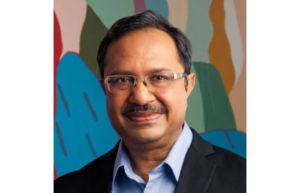





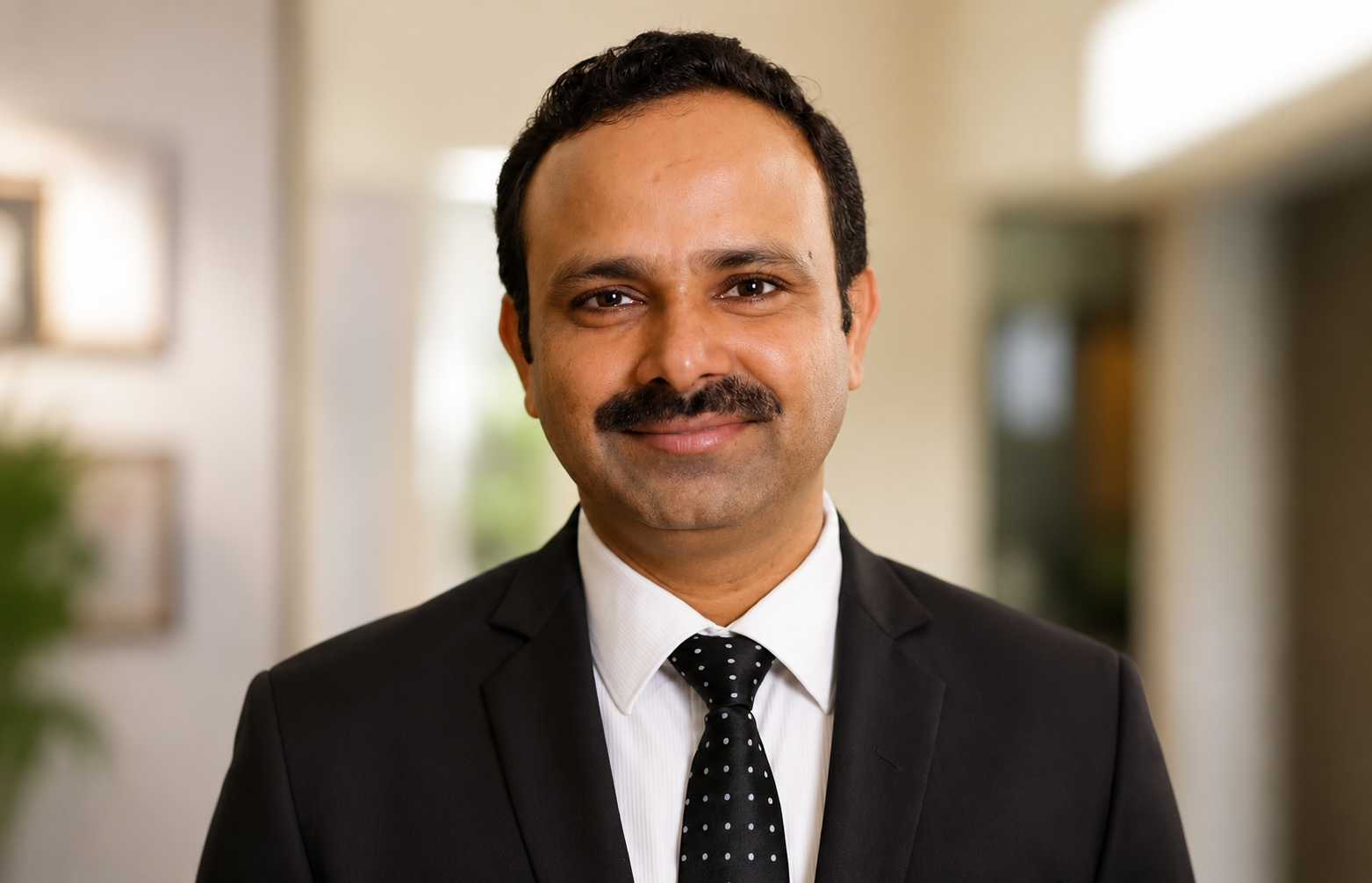
As enterprises race to move from AI experimentation to real deployment, the biggest challenges often lie beyond the model itself. In a discussion with CIONow, Badar Afaq, CIO of KCT Group, shares why data readiness, collaboration, and business value are critical to making AI scale.
What is the biggest mistake CIOs generally make when they move from AI pilot projects to enterprise-wide deployment?
The greatest failure is trying to scale before even fixing the data foundation. Pilots work because they are small, self-contained programs. To get anything meaningful out of AI, technology leaders need to realize that data is the backbone.
My definition of a successful AI initiative begins and ends with three things: classifying data properly, structuring data properly and naming data properly. If you have those things, you have a much better chance. I think CIOs tend to overlook data’s role in all of this.
Who should own these data foundations? Who should drive adoption of AI in the organization?
This must be a collaborative effort. The CIO can evaluate the technology side and understand how AI solutions can be integrated with legacy systems, but the business team plays the most important role in structuring and classifying the data. Since most of the data sits with the business, business leaders must define what data is needed, what the pain points are, and what outcomes they expect.
HR and the training department also have a critical role to play. This isn’t just about technology; it’s about enabling people. There have to be right training programs to ensure teams know how to utilize these tools and what it will look like to operate alongside them.
In larger companies, I have seen the creation of full-time AI roles like a Chief AI Officer. In medium-size companies or SMEs, the CIO could drive the agenda but the CEO has to set the agenda for it. If the CEO does not champion it, it’s very tough to get any transformation.
The right model is the CEO sets the vision; the CIO drives execution; the business functions identify the use cases and the HR develops skills and provides training.
What criteria should CIOs use to identify the AI projects to keep and those to discard?
Any IT project, including AI initiatives, should be evaluated through cost vs. benefits analysis. Before you scale, you need to identify what the expected outputs and KPIs should be and the business value you want the solution to produce.
Remember AI is not free, particularly with GenAI tools as the token-based use can get costly so you will want to do some cost-benefit analysis there. If the solution provides you with the expected outputs cost effectively continue to scale and if not, review it, potentially discontinue it. I suggest doing this quarterly.
Why are Indian CIOs not adopting Bharat Gen at large?
I think it is awareness and visibility. Bharat Gen is not getting well marketed, neither is it integrated in the widely used enterprise tools like Outlook, Gmail and other workplace software. CIOs do understand the existence and advantages of products like ChatGPT or Claude, as they are very popular and simple to implement into the work flow.
What is the Future of AI in Indian Enterprises? What should a CIO do to get ready for AI?
AI will be the new normal. As Google search, google maps are all household usage now so will Gen AI be for offices and homes. Software solutions are already baking in AI in their features and will increase in the coming times. The next few years are less about will we use AI, but more about will we be responsible and intelligent enough to use it.
A CIO is not expected to become an AI expert, but they must keep themselves updated and always keep learning, basic awareness will be enough.
CIOs should never stop learning or looking at market trends. Not that they have to take formal courses all the time, but be aware of it. Even an hour or two here and there a week watching news, reading something or listening to a podcast will go a long way. AI evolves at such a rapid pace. The role of the CIO is to identify where it’s of value, where it’s of risk and how the organization can be responsible with the application.
The views expressed here are personal and do not necessarily reflect those of the author’s organization.