




For any fast growing manufacturing firm that needs to replace an ERP, which cannot scale any longer, technology isn’t the most important part. The crucial aspect is getting a digital spine that can work with a complex, and distributed business helping take quick and informed decisions in real-time across multiple plants and multiple functions.
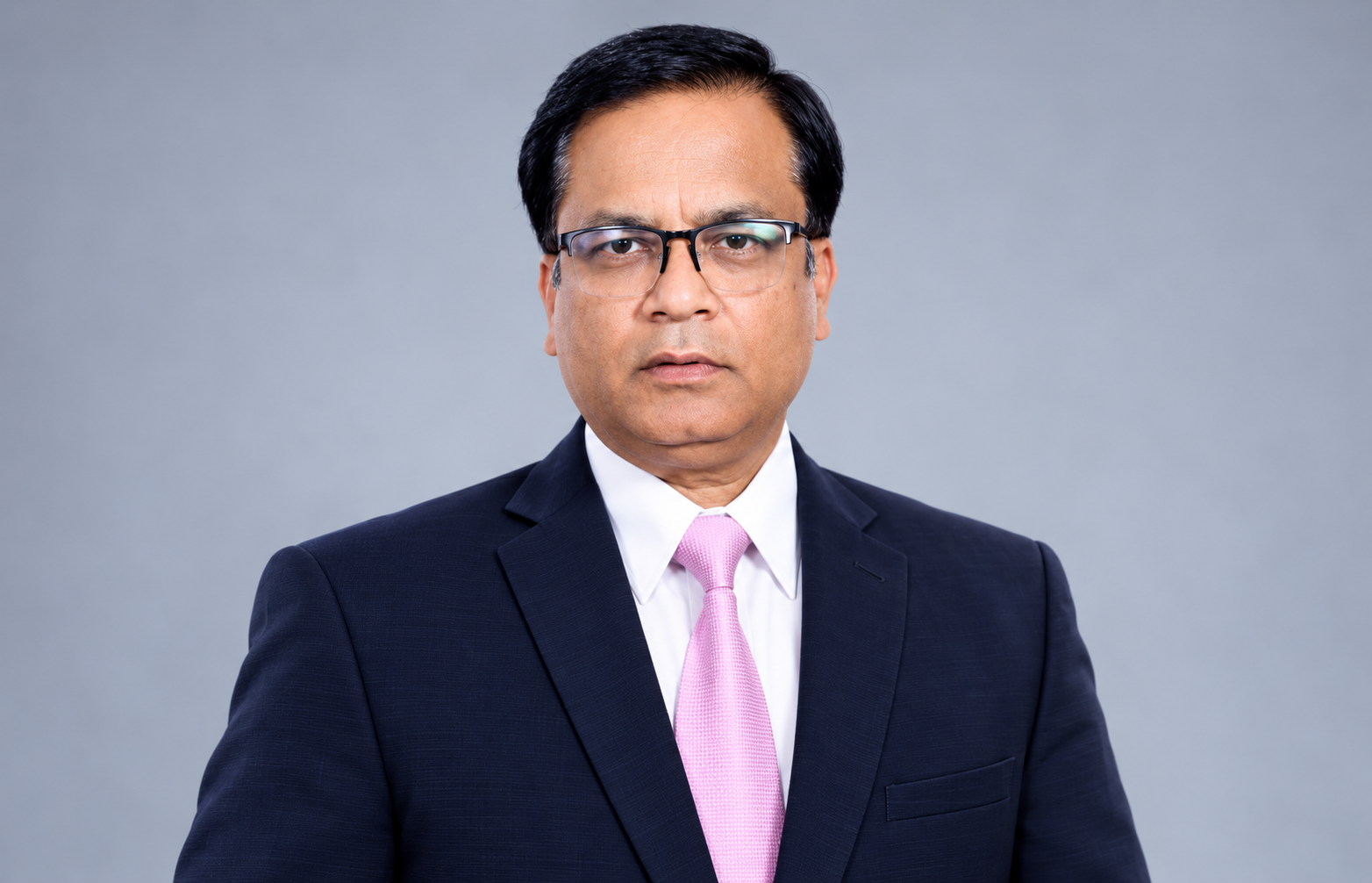
As Dinesh Kaushik, CIO of Sharda Motor Industries, spearheaded the project at the Indian automotives parts company to replace the end-of-life Microsoft Navision with SAP’s cutting edge S/4 HANA, the lessons he got were not at all about the code or technology itself but organizational challenges to get such a project done in twelve months.
The Business Context
Sharda Motor was running on Microsoft Navision. Eventually, with increasing scale of operations, the company found limitations of the existing system as most of the process steps were fragmented, data existed in separate pockets and most of the reports were manually prepared and also back-dated. “We wanted something stronger, more scalable and also an integrated solution that would enable end to end view on operations. That made SAP S/4 HANA the right fit since it could integrate Inventory, Sales, Finance and operations” Kaushik says.
The project, started on 1 May 2025, went live on 1 June 2026.
KPMG was selected as the implementation partner “considering their domain knowledge, structured approach to such implementations, and its capability to run multi-location rollouts,” Kaushik says.
This implementation included finance, sales, inventory, procurement, and manufacturing. The scope of implementation consisted of a single SAP S/4HANA instance and included all plants and office locations being integrated on one single, central instance. The software implementation is located on the cloud, using a pay as you go subscription and had some third-party cloud software integrated into the architecture.
The Challenges
Master Data: The biggest challenge was master data. Sharda Motor had to clean up, standardise, and migrate a large volume of data from Navision and other systems.
“We formed a dedicated team to clean and validate the data,” Kaushik says. “We also got sign-offs from business owners on the data they were responsible for. This ensured that the data going into SAP was accurate and verified.”
Business owners were required to verify and approve their respective data, such as customer master data by the sales head and financial data by the finance head. This created accountability and reduced the risk of bad data going live.
Change Management: User adoption was another hurdle. People were used to the old way of working, and the shift to SAP required new habits, new processes, and new discipline.
“Initially, there was resistance,” Kaushik says. “But with training, handholding, and clear communication from leadership, adoption improved over time.”
Top management played a critical role. The CEO, CFO, and CMO were closely involved, with regular steering committee meetings to review progress and resolve issues. “Without top-management buy-in, change management is difficult,” Kaushik says.
Infrastructure and Team: Sharda Motor had to upgrade its network, servers, and endpoints to support SAP, and ensure better connectivity across all plant locations. The team size also increased in the initial phase, because many processes that were manual in Navision now needed dedicated resources for data entry, system operations, and process management.
The Four Key Takeaways
Even in the first month after go-live, Sharda Motor is seeing early benefits. There is better visibility across the business, more structured and integrated processes, centralized data and real-time reporting, faster order-to-cash cycles, and improved inventory management.
Each function now has its own relevant dashboards, with marketing seeing marketing data, sales seeing sales data, and finance seeing financials, along with a consolidated view for top management.
“At this stage it’s too early to measure precise ROI, but we are looking at ROI in the next 3-4 years,” says Kaushik.
To CIOs in particular, specifically in the manufacturing space, wanting to go down the same road with SAP S/4HANA rollout, here is Kaushik’s guidance:
First, get top-management buy-in first. Change management can be very difficult without leadership buy-in. The weekly steering committee with the CEO, the CFO, the CMO kept the project moving forward and ensured problems were solved efficiently.
Second, invest time and effort in master data. Clean, standardized, and verified data is critical. Form a dedicated team, involve business owners, and get formal sign-offs before go-live.
Third, make business owners accountable for their data and processes. SAP is not an IT project. It is a business transformation. Business owners must take ownership of their data, processes, and adoption.
Fourth, plan for change management from day one. User adoption will not happen automatically. Invest in training, handholding, and clear communication. Expect resistance, but address it with support, not enforcement.
The Bigger Picture
Some CIOs argue that SAP is becoming less relevant in the age of AI and modular solutions. Kaushik disagrees.
“SAP is still very relevant, especially for manufacturing,” he says. “It gives you a strong, integrated backbone for core processes. You can always layer AI or other solutions on top, but you need a solid ERP foundation first,” he adds.
For Sharda Motor, SAP S/4HANA is not the end of the journey, but the beginning. It is the foundation on which further automation, analytics, and AI-led insights will be built.